

The Big Picture: Why These MLC Updates Matter (and What’s New!)
Alright, shipping pros, let’s talk about something that’s going to make waves (the good kind!) in our industry. The International Labour Organization (ILO) Special Tripartite Committee (STC) for the Maritime Labour Convention, 2006 (MLC, 2006) had its 5th meeting in April 2025. Think of it as the maritime world’s big pow-wow, where governments, shipowners, and seafarers’ reps get together to fine-tune the rulebook for life at sea.
The goal? To keep the MLC – often called the “Seafarers’ Bill of Rights” – sharp, relevant, and effective in protecting our invaluable seafarers. These new amendments, given the green light in June 2025, are set to officially kick in by late December 2027. So, no time to snooze!
A huge win from this meeting is the formal recognition of seafarers as “key workers”. This isn’t just a fancy title; it means governments
must take steps to ensure seafarers can move freely for work – think easier shore leave, smooth repatriations, quick crew changes, and access to medical care ashore. Remember those travel headaches during the pandemic? This aims to make them a distant, salty memory.
Another big shift? More “must-dos” and fewer “nice-to-haves.” The new rules are moving from friendly suggestions (Guidelines) to legally binding mandates (Standards). For example, shore leave and repatriation now have new standards, and violence and harassment are explicitly forbidden. This means Flag States and Port State Control will be cracking down, so if you’ve been playing it loose with the guidelines, it’s time to tighten up!
Table 1: MLC 2025 Amendments: Your Quick Reference Guide
| Amendment Area | Key Change (Simplified) | MLC Reference (Standard/Guideline) | Impact for You (Shipowners/Seafarers) |
| Key Worker Recognition | Seafarers formally recognized as essential workers. | Guideline B2.5.2 | Smoother travel for employment, including shore leave, repatriation, medical care. |
| Shore Leave | Strengthened right to shore leave; no visas/special permits required. Written reasons for denial. | Standard A2.4.2, Guideline B2.4.5 | Easier, non-discriminatory access to shore for seafarers; increased accountability for port authorities. |
| Violence & Harassment | Explicit prohibition of all forms of shipboard violence and harassment, including sexual harassment/assault. | Regulation 4.3 | Safer, more respectful onboard environment; clear policies and reporting mechanisms required. |
| Onboard Complaint Procedures | Enhanced confidentiality and anti-victimization safeguards. Multiple complaint avenues. | Regulation 5.1, Standard A5.1.5 | Seafarers can report grievances safely; improved trust in internal and external complaint systems. |
| Repatriation | No discrimination; shipowners’ costs clarified (travel, accommodation, luggage, medical). | Standard A2.5.1 | Clearer financial responsibility for shipowners; more humane and efficient repatriation processes. |
| Accommodation & Facilities | Provision of appropriate menstrual hygiene products and disposal facilities. | Regulation 3.1 | Promotes inclusivity and addresses gender-specific health needs onboard. |
| Medical Care | Onboard medical training to align with latest International Medical Guide for Seafarers and Fishers. | Guideline B4.1.1 | Ensures up-to-date medical knowledge and better care onboard. |
| Fair Treatment (Detained) | Seafarers detained in foreign ports to receive fair treatment and consular protection. | Guideline B4.4.6 | Critical protection for seafarers facing legal issues abroad. |
Freedom to Roam: Shore Leave Just Got Real
For seafarers, hitting dry land isn’t just about stretching legs; it’s about sanity, connection, and a vital break from the steel box. The MLC 2025 amendments supercharge this right, making shore leave a formal entitlement. Unless there’s a genuine safety issue or a port restriction, off-duty seafarers should be allowed ashore.
The best bit? No more scrambling for visas or special permits just to grab a coffee or call home! And it’s non-discriminatory, meaning everyone gets the same shot at shore leave, no matter their ship’s flag. Equality at the gangway, folks!
To keep things fair, if shore leave is denied, port authorities must give written reasons if asked. This creates a paper trail, making arbitrary denials harder. Shipowners, you’re also on the hook to facilitate shore leave, balancing operational needs with crew well-being. Member States are encouraged to set up clear procedures and train port staff on these rights.
This beefed-up shore leave is a big nod to seafarer mental health. Life at sea can be isolating, and denying shore leave just adds to the stress. By ditching visas and demanding written reasons, the MLC is pushing for shore leave to be a regular thing, not a rare treat. Healthier, happier crews mean safer operations. For shipowners, it’s an investment in your most valuable asset.
Zero Tolerance: Kicking Violence & Harassment Offboard (and Onboard!)
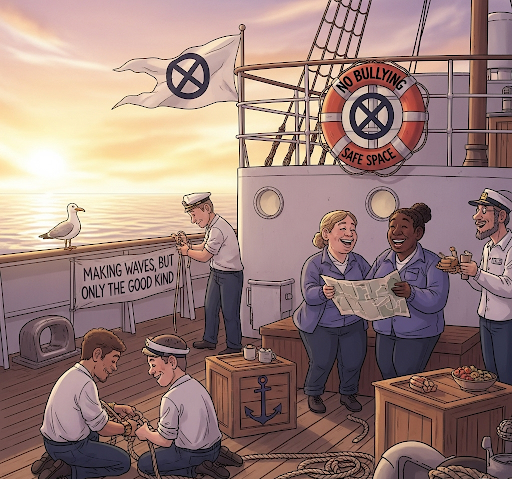
The maritime industry is drawing a line in the sand (or, you know, on the deck) against bad behavior. New rules explicitly ban shipboard violence, harassment, sexual harassment, bullying, and sexual assault. No more grey areas; these actions are flat-out forbidden. This applies from the moment someone starts the recruitment process right through to daily life onboard.
Recruitment agencies now have a clear job: prevent and address these issues from day one. For shipowners and crewing agencies, this means:
- Policy Power: You must have clear policies against these behaviors, translated into crew members’ native languages.
- Training Time: While not always explicitly stated as “training,” preventing these issues means everyone needs to be clued in. Think ongoing awareness programs and training sessions to build a respectful culture.
- Proper PPE: A small but mighty update: appropriately sized personal protective equipment for all seafarers. Ill-fitting gear isn’t just annoying; it’s unsafe and can make people feel neglected.
To ensure accountability, safe and effective reporting mechanisms are a must. Seafarers need to feel safe reporting without fear of payback. Plus, investigations into these incidents now require teamwork between flag States, port States, and labor-supplying States. It’s a global effort to ensure fair and thorough investigations.
This explicit ban means “safety” now includes psychological and social well-being, not just avoiding physical hazards. Compliance isn’t just about new policies; it’s about changing attitudes and fostering a proactive culture of respect. It’s a shared responsibility across the entire maritime chain, from hiring to sailing.
Speak Up, Safely: Stronger Onboard Complaint Procedures

A good complaint system is like a ship’s sturdy keel – essential for stability. The MLC 2025 amendments significantly boost confidentiality and anti-victimization safeguards in onboard complaint procedures. This is key to building trust and encouraging seafarers to speak up without fear of getting a raw deal. “Victimization” is now clearly defined as any negative action against a seafarer for complaining, unless it’s a clearly bogus or malicious complaint.
Seafarers now have more ways to complain. Besides the Master, they can go to shoreside personnel or external authorities. This extra safety net is crucial if they’re uncomfortable with the onboard chain of command. Plus, seafarers have the right to be accompanied or represented during the process and get impartial advice.
While the aim is to sort things out quickly onboard, there are clear timelines for escalation. If a complaint isn’t resolved onboard within 14 days, it can go to the flag state administration. If
they don’t sort it, the port state is required to send a copy to the ILO Director-General and relevant organizations. All complaints must be recorded onboard and available to authorities.
These changes truly empower seafarers and aim to bust any “culture of silence.” With strong protections and clear external pathways, the MLC wants to ensure complaints are heard and dealt with. For shipowners, this means your internal complaint systems need to be genuinely effective and trusted. If you don’t handle things internally, there are now clearer, faster external consequences.
Image Suggestion: A visual metaphor for clear communication channels, like interconnected speech bubbles or a simplified flowchart of a complaint process. Perhaps a humorous caption: “Your voice, amplified (and protected!)”
Beyond the Big Three: Other Noteworthy Updates
While shore leave, violence/harassment, and complaints are the headliners, several other important updates show the MLC is thinking about seafarer welfare from every angle.
- Repatriation – No Discrimination, Clarified Costs: Repatriation must now be arranged without discrimination, regardless of the ship’s flag. Shipowners are explicitly responsible for covering travel, accommodation en route, up to 30 kg of luggage, and medical treatment until the seafarer is fit to travel. This is a big deal, especially for preventing seafarer abandonment.
- Accommodation & Recreational Facilities – A Touch of Dignity: In a practical and inclusive move, ships must now provide appropriate menstrual hygiene products and disposal facilities. This is a clear step towards greater inclusivity onboard.
- Medical Care Onboard & Ashore – Up-to-Date & Accessible: Onboard medical training should now use the latest International Medical Guide for Seafarers and Fishers (2023 edition) and other relevant guides. This ensures medical care onboard is based on the freshest knowledge.
- Fair Treatment of Detained Seafarers: If a seafarer gets detained in a foreign port, these amendments ensure they get fair treatment and consular protection. This aligns with ILO/IMO guidelines, providing a critical safety net.
These additional amendments show the ILO’s commitment to the holistic needs of seafarers – dignity, personal health, and practical support. The menstrual hygiene product requirement, for example, highlights a growing recognition of gender diversity in the maritime workforce. For shipowners, this means looking at all aspects of onboard life through an inclusivity lens. Clarified repatriation costs and fair treatment for detained seafarers also strengthen the safety net when things go wrong, ensuring fundamental rights are upheld.
Your Action Plan: Getting Ready for 2027
The amendments are expected to enter into force in late December 2027. That might sound like ages away, but trust us, two years can vanish faster than a free coffee on a Monday morning! Shipowners, operators, and crewing agencies should dive into these amendments
now and start getting ready. This isn’t a “wait and see” situation; it’s a “prepare now” mission.
Being proactive isn’t just about dodging penalties; it’s a smart business move. Companies that embrace these changes early will likely attract and keep top-notch seafarers, reduce incidents, and boost their reputation as responsible employers. It turns compliance from a headache into a competitive advantage.
Here are your key compliance steps:
- Policy & Procedure Overhaul: Dust off and update all your policies, contracts, and manuals to match the new standards. Don’t forget your DMLC Part II procedures!
- Training Time: Get everyone trained – seafarers, officers, shore staff. They need to know about the new bans on violence, the reporting systems, and those sweet shore leave entitlements. Ongoing training is key to keeping everyone sharp.
- Culture Club: True compliance means a cultural shift. Foster a safe, respectful, and supportive environment where seafarers feel heard and valued. Think emotional intelligence and conflict resolution skills for your crew and leaders.
- Budget Check: Be ready for potential costs for policy updates, training, and any tweaks to onboard facilities (like those menstrual hygiene products and proper PPE).
- Teamwork & Tracking: Be prepared to cooperate with multi-state investigations, especially for violence and harassment. Set up solid internal monitoring to catch issues early.
The focus on policy, training, and cultural shifts means your HR and training teams are about to become even more vital. It’s not just about contracts anymore; it’s about building a psychologically safe and inclusive workplace. This elevates the human element in shipping, making robust HR strategies and leadership training crucial for compliance. Always double-check with official ILO publications and your flag state for the most precise and current info.
Download Your Toolkit!
Ready to get serious about compliance? Navigating new regulations can feel like charting a course through uncharted waters, but you don’t have to do it alone. We’ve put together a handy, actionable checklist to help you navigate these changes with confidence.
Download our MLC 2025 Compliance Action Checklist today! It’s your step-by-step guide to reviewing policies, planning training, and ensuring your operations are shipshape for the future. This practical tool will help you break down the compliance journey into manageable tasks, assign responsibilities, and track your progress towards the December 2027 deadline.
For the most precise wording and official details, we also highly recommend reviewing the official ILO text of the 2025 amendments to the MLC, 2006, which can be accessed via the ILO website. This is your definitive source for the exact regulatory language.